2026-02-15
292 views
What Is Serverless? And How Is It Different from Traditional Cloud?
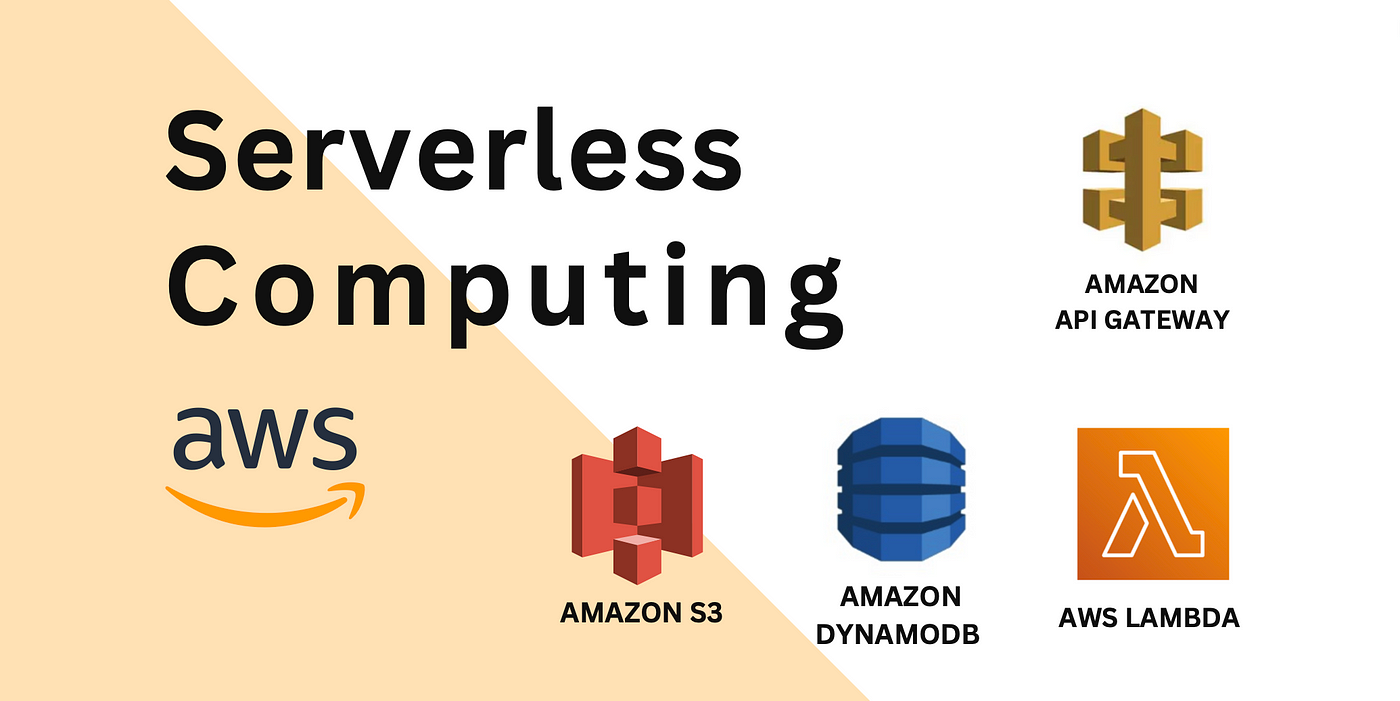
The term Serverless is increasingly common in cloud computing discussions, yet there is still confusion between Serverless and the broader concept of the cloud; some assume Serverless is the same as cloud computing or a complete replacement for it, but in reality, Cloud Computing is the overarching model that allows organizations to rent infrastructure resources such as servers, storage, databases, and networking over the internet instead of owning and managing physical hardware, with major providers like Amazon Web Services offering multiple execution models within that ecosystem, including virtual servers such as Amazon EC2 and event-driven compute services like AWS Lambda, which represents the Serverless model; Serverless does not mean “no servers,” but rather that developers do not manage them—there is no need to provision operating systems, handle updates, configure scaling, or pay for idle time, as you simply deploy your code and the platform automatically executes and scales it based on incoming requests, charging only for actual execution time and number of requests, whereas with EC2 you rent a full virtual machine, pay for uptime whether it is actively used or not, and remain responsible for system configuration, security, monitoring, and maintenance; companies adopt Serverless to reduce costs through pay-per-use pricing, enable automatic scaling, accelerate development cycles, and minimize infrastructure management overhead, though it comes with considerations such as maximum execution time limits and potential Cold Start delays—where an idle function takes slightly longer to respond to the first request due to initialization—making it unsuitable for every workload; Serverless is particularly well-suited for lightweight REST APIs, notification systems, webhooks, scheduled jobs, file or image processing upon upload, early-stage startup applications, and systems that do not require constant runtime, while traditional cloud models like EC2 are often better for continuously high workloads, 24/7 applications, ERP and internal enterprise systems, environments requiring full OS-level control, or long-running and compute-intensive processes; ultimately, the cloud is the broad framework, Serverless is one execution model within it, and there is no universally “best” option—the right choice depends on your project requirements, traffic patterns, and control needs, and selecting the appropriate architecture early can save significant time and cost in the long term.